Loading promotion info...
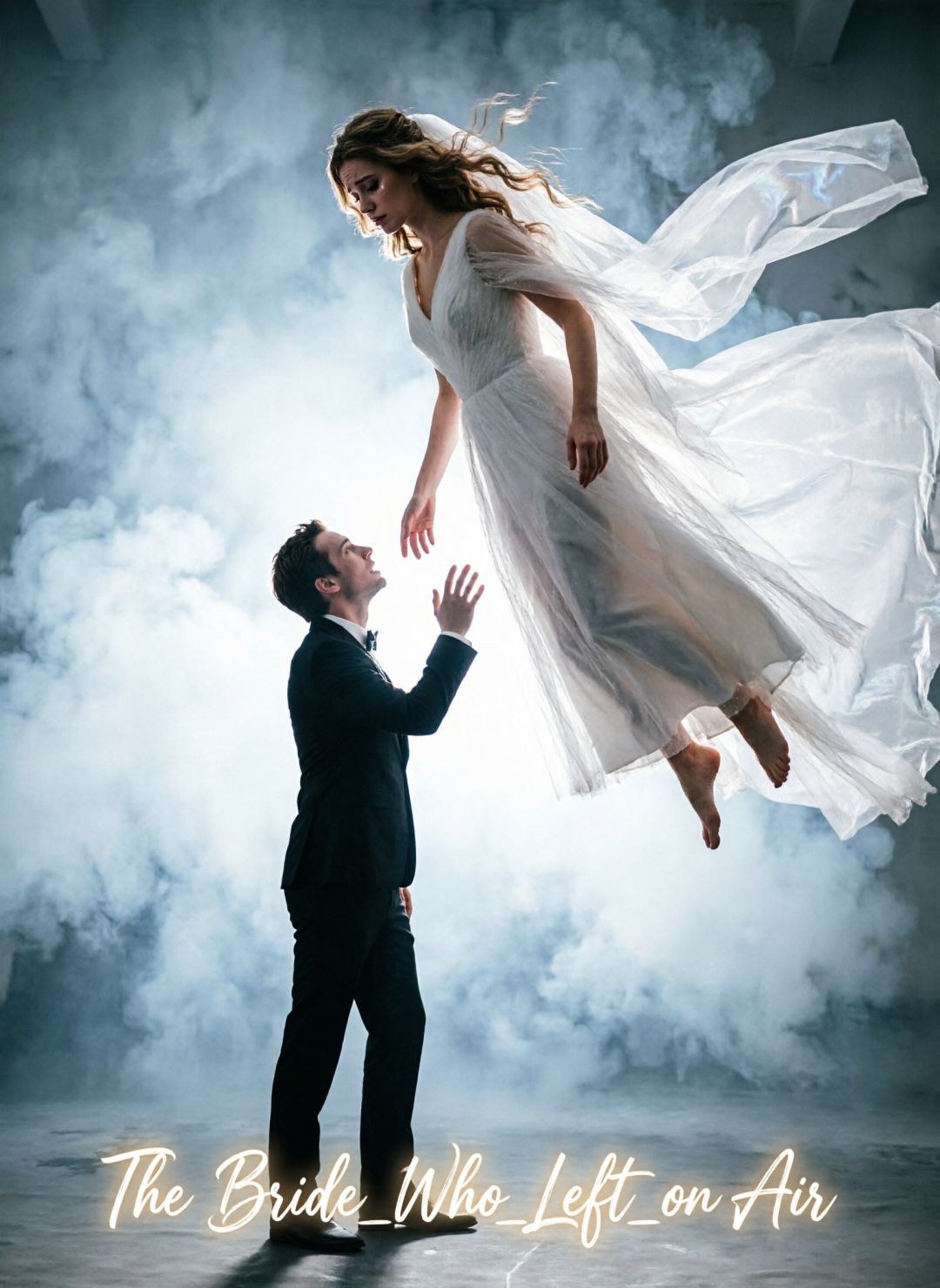
The_Bride_Who_Left_on_Air
 NovelMaster
Completed
Seven days before her wedding, sound editor Nora Bell hears her fiancé, celebrated broadcaster Adrian Vale, tell her best friend that their affair is a fair response to Nora's previous marriage. Adrian expects her to finish his charity broadcast, endure one week of humiliation, and appear beside him at a sold-out wedding gala. He does not know she has preserved the original recordings and begun tracing the credits, contracts, and donor money that made his reputation possible. Nora completes the show on her own terms. While another woman walks toward Adrian under the theater lights, a carefully sourced documentary exposes the choices he believed would remain private. Nora leaves for the storm coast, where her estranged family struggles to preserve an acoustic archive and where returning home requires more than escaping him. As investigators, former colleagues, and the public sort through the consequences, Nora fights to recover authorship of her work without turning every witness into a weapon. At Bell Coast, she helps rebuild the archive, learns to share authority with the people whose voices it holds, and makes room for a new relationship that does not demand her disappearance. Her most lasting victory is the life she makes after the broadcast ends. Seven days before my wedding, I heard my fiancé fall in love with my best friend through a pair of studio headphones. At first, I thought the sound was part of the rehearsal. The Grand Marlowe Theater had been empty for almost forty years before Adrian leased it, polished the brass, and convinced half the city that restoring a dead broadcast hall counted as public service. That Thursday night, its stage glowed beneath a hundred warm bulbs. Camera operators moved between rows of velvet seats. Above them, the enormous screen displayed Adrian's face beside the silver words OPEN HARBOR: FIVE YEARS OF LISTENING. I sat alone in Control Room B with one hand on the mixing board and the other around a cup of coffee that had gone cold before sunset. “Rolling the storm package from the top,” I said into the talkback microphone. The stage manager lifted a thumb. On my center monitor, a fishing town appeared beneath black hurricane clouds. Wind bent the palms. A woman named Mrs. Alvarez stood in the doorway of a ruined bakery and described hiding with her grandchildren in a walk-in freezer while the roof came apart. I knew every breath in that interview. I knew where Mrs. Alvarez stopped because she could not say her husband's name. I knew the scrape under the twenty-third second was a chair moving across concrete, not thunder. I knew Adrian had not been there when she was rescued, although the finished film cut from her face to his muddy boots so quickly that most viewers assumed he had carried her out himself. “Music down three decibels,” I told the board operator. He adjusted the fader. “Good. Hold it there.” The film continued. Strings rose under Adrian's narration. *When the world turns away, listening becomes an act of courage.* I had written that line at two in the morning three years earlier. No one in the theater knew. That had never bothered me before. The applause belonged to Adrian. The quiet belonged to me. We had built our lives that way, and for a long time I believed it was love rather than division of labor. A green indicator blinked above channel twenty-four. GREENROOM B — OPEN. I frowned. That microphone was not part of the cue sequence. “Tom, did you route twenty-four into rehearsal?” I asked. No answer came through the production line. The camera director was counting down a lighting change. Someone called for haze on stage. The board operator beside me had stepped into the corridor to find a replacement cable. Then Celeste laughed in my headphones. It was the soft laugh she used at donor dinners, lower than her real one and polished at the edges. I had heard it hundreds of times across crowded rooms. I had never heard it this close. “You're going to crease the shirt she steamed for you,” she whispered. A man's breath caught. Adrian said, “Then you can take it off.” My fingers stopped above the controls. For one absurd second, my mind searched for an innocent explanation. A promotional clip. Actors warming up. A private joke routed to the wrong channel. Then came the unmistakable sound of a kiss. Not the delicate sound films use. This was damp and hurried, followed by fabric dragging against a wall and Celeste's bracelet striking a metal clothing rack. I knew the bracelet too. I had given it to her on the night she became my maid of honor. The multitrack recorder kept running. Twenty-four channels of rehearsal audio drew clean green lines across my screen. The storm film played on one. Stage directions occupied another. On channel twenty-four, my fiancé and my best friend breathed into the same microphone. I should have pulled off the headphones. Instead, I reached for the gain knob and turned them up. My other hand opened the channel log. The microphone had been activated from the greenroom wall panel at 9:17 p.m. Neither of them seemed aware. Venue signs disclosed continuous rehearsal monitoring, and every member of the production had signed an audio release, but law was not the first thing I thought about. I thought about error. Could the voice be a playback? Could the route label be wrong? Could two sounds combine into a meaning that had never occurred? Editors learn distrust before certainty. A clipped word can reverse a sentence. A room tone laid beneath the wrong pause can manufacture hesitation. I checked the patch map, the timecode, and the live camera outside Greenroom B. Celeste gave a shaky laugh. “Does this make us terrible people?” “It makes us honest.” Adrian sounded amused. “For once.” “You're marrying her next week.” “I'm marrying her in seven days.” “That's supposed to make me feel better?” “It means we have seven days.” Silence. The kind of silence that was never empty. I had spent my life learning to hear what people put inside it. Celeste spoke first. “And after that?” “After that, Nora gets what she wants. Stability. A respectable name. Someone who won't abandon her.” My coffee cup slipped against the console. I caught it before it fell. Celeste's voice sharpened. “You make marriage sound like charity.” “You know what I mean.” “I know she was married before.” Adrian laughed under his breath. “Exactly. She gave Martin six years. Everyone acts like I'm a saint because I helped her leave, but I'm still expected to pretend those years don't exist. I'm expected to walk into our marriage owing her perfect loyalty from day one while she arrives with a whole life another man already had.” My chest went strangely still. Onstage, my recorded voice counted the beats beneath Mrs. Alvarez's story. In my headphones, Celeste asked, “So this is what? Compensation?” “Balance.” “That's a cold word.” “It's an accurate one.” Adrian paused. “Nora understands accuracy.” They both laughed. I watched the waveform form in real time. Every laugh had a shape. Every lie had a duration. Celeste lowered her voice. “What if she finds out?” “She won't leave.” He said it instantly. No hesitation. No fear. The certainty hurt more than the kiss. “She went through hell after Martin,” he continued. “I was the one who put her back together. She knows what happens when she tries to start over. Besides, the gala is hers as much as mine. She won't destroy five years of work over one week.” “And me?” “You get the week you asked for.” Celeste murmured something I could not make out. Adrian answered by kissing her again. Across the theater, the storm film reached its final image: dawn breaking over ruined rooftops while Adrian's silhouette stood against the sea. My cue light flashed. I lowered the music precisely on beat. The film ended. Applause rose from the crew. “Beautiful,” the director said through comms. “Nora, that mix is perfect.” I looked at the isolated track still recording in front of me. “Thank you,” I said. My voice did not shake. I saved the session under its ordinary production code. OH5_GALA_MASTER_06. Then I duplicated channel twenty-four to an encrypted drive and named it ROOM TONE. The greenroom microphone clicked off. Three minutes later, Adrian walked into Control Room B with his collar open and the smile that had once made me feel safe. Celeste followed him, reapplying lipstick with the camera on her phone. “There she is,” Adrian said. “The woman who makes me sound better than I am.” He bent to kiss my forehead. I smelled Celeste's perfume on his jacket. For the first time in five years, I heard the sentence exactly as he had spoken it. Not affection. Admission. Adrian remained behind me while Celeste wandered toward the window. “Play the opening again,” he said. “I want to hear whether the storm enters too quickly after my first line.” His first line. The storm had begun three hours before he reached San Aurelio. Mateo recorded the wind against a motel railing. Lila captured the emergency dispatch. I built the opening from sounds gathered by people whose names did not appear on the promotional poster. Still, I pressed the space bar. The theater filled with wind. Adrian closed his eyes to listen. He had always looked most convincing when concentrating on work someone else had arranged for him. A crease appeared between his eyebrows at exactly the moment the strings entered. “Two frames late,” he said. He was right. That was part of the problem. Adrian possessed real instincts. If he had been entirely talentless, the theft would have been easier to name. He heard emotional rhythm, remembered the small details guests revealed before interviews, and could ask a question with such warmth that strangers answered beyond their intention. Then he gave the material to me and trusted I would remove everything that made him ordinary. I shifted the cue by two frames. “Better,” he said. Celeste watched us through the reflection in the glass. Her lipstick was slightly blurred at one corner. She noticed me looking and wiped it away with her thumb. “The two of you are terrifying,” she said. “You communicate in milliseconds.” Adrian rested his hand on the back of my chair. “That is what five years does.” Five years. The first had been built from borrowed studios and late-night trains. Adrian hosted a failing local radio segment called *City Voices*. I edited wedding videos and museum guides to pay rent. We met when his engineer quit halfway through an interview with a woman searching for her missing brother. I repaired the corrupted recording overnight. The next morning, Adrian arrived at my studio carrying breakfast and listened to the finished piece without speaking. When it ended, he said, “You found the story inside the damage.” No one had described my work that way before. He made me visible privately long before he erased me publicly. That history remained true even as the present changed its meaning. “Nora?” Adrian said. I realized both of them were waiting. “What?” “Celeste asked about tomorrow's press rehearsal.” “Ten in the morning. Camera positions first. Interview at noon.” “Will you sit for the bride segment?” Celeste asked. “No.” Her smile returned. “Still camera-shy?” “Still the producer.” Adrian squeezed my shoulder. “Do not push her.” The gesture would look protective to anyone watching. I heard the instruction beneath it: let Nora remain where she is useful. Tom returned carrying the replacement cable. “Sorry. Did I miss anything?” I looked at the green channel indicator, now dark. “Nothing we need to repeat,” I said.I waited until the crew left before I asked them to stay. The theater emptied in layers. First the camera operators rolled their cases through the loading doors. Then the lighting team killed the stage lamps one bank at a time. The gold auditorium faded into shadow until only the aisle lights remained, small blue dots leading toward the exits. Adrian stood onstage checking messages. Celeste was halfway into her coat. “Greenroom B,” I said. They both looked at me. Celeste recovered first. “Now?” “Now.” Adrian smiled as if I had made a charmingly unreasonable request. “Nora, it's nearly midnight.” “It will take less than seven days.” His smile disappeared. The three of us walked backstage without speaking. Greenroom B still carried the evidence of them. A champagne flute on the makeup counter. One of Adrian's cuff links beneath a chair. Celeste's lipstick pressed faintly against the rim of his water glass. I closed the door. “How long?” I asked. Celeste folded her arms. Adrian glanced at her, then at me. “You heard us.” It was not a question. “How long?” “Nora—” “If you lie, I leave before you finish the sentence.” Something flashed in his expression. Not guilt. Annoyance. “Three months,” Celeste said. Adrian's head snapped toward her. She lifted her chin. “She asked.” Three months. Three months of Celeste tasting sauces with me at the caterer's office. Three months of Adrian falling asleep while I edited his anniversary film. Three months of group messages about flowers, vows, seating plans, and whether the stage curtains should be blue or ivory. “Did you sleep together in my house?” “Don't do this to yourself,” Adrian said. “That's not an answer.” “Once,” Celeste said. Adrian swore. Celeste turned on him. “What? You're going to protect her feelings now?” He stepped between us, facing me with the solemn expression he used when interviewing survivors. “I made a mistake.” “Three months is a schedule.” “It became complicated.” “You called it balance.” His jaw tightened. “Because it is.” There it was. Not a drunken lapse. Not even cowardice. A belief. He moved closer. “I accepted all of you, Nora. The panic attacks. The court hearings. The years Martin still had a claim on the person you became. I never punished you for any of it.” “You want credit for not punishing me for being abused?” “That's not what I said.” “It's exactly what you said. I heard the clean recording.” Celeste stared at me. “Recording?” I let the word hang between us. Adrian's face changed. He understood systems well enough to know the rehearsal recorder captured every open channel. “Delete it,” he said. “No.” “That was a private conversation accidentally routed into a production session.” “Correct.” “Then you have no right to keep it.” “You were in a company greenroom during a recorded rehearsal. The door carries an audio-monitoring notice. You signed the venue release.” His nostrils flared. Celeste looked from him to me and gave a small, brittle laugh. “This is why living with you must be exhausting. Everything becomes evidence.” “Only when people lie.” She flinched. I almost felt satisfaction. Instead, I felt tired. “Why?” I asked her. “You were there when I left Martin.” Celeste's gaze slid away. “You slept on my floor for a week,” I continued. “You changed my number. You screened his emails. You told me the photograph proved I had to leave before he destroyed me.” “You did have to leave.” “That isn't what I asked.” Her mouth tightened. Then she said, “Because I was in the photograph.” For a moment, I heard nothing. Not the ventilation system. Not the electrical hum behind the mirror. Not the distant crash of a road case on the loading dock. Celeste kept speaking. “You couldn't see my face. Martin and I met twice. Maybe three times. He wanted to hurt you, and I wanted to know what it felt like to be chosen before you.” “Before me?” “Everyone chose you without you trying.” Her voice rose. “Teachers. Producers. Men. You sat in the back of every room and people still asked what you thought.” “Martin hit walls beside my head.” “I know.” “He controlled my bank account.” “I know that too.” “Then what exactly did you think you were taking?” She opened her mouth and closed it. The answer was not Martin. It was proof. She had wanted evidence that my life could be transferred to her without carrying its cost. Adrian stared at her. “You told me you only knew who the woman was.” “Does the distinction matter?” “You let me build our entire relationship around helping Nora recover from that.” Celeste's laugh was sudden and ugly. “Don't pretend you didn't enjoy being her savior.” They began arguing. I stood between the two people I had trusted most and watched them discover that betrayal did not make them allies. It only made each of them another person the other could not trust. The pain was there. It would arrive fully later, when I was alone. For now, something colder moved into place. “The gala goes ahead,” I said. They stopped. Adrian blinked. “What?” “The anniversary broadcast. The survivor releases expire next month. Canceling now would cost the partner stations and the shelter network money they don't have.” Relief softened his face so quickly it might have been comic in another life. He reached for me. “Nora, I knew you would see the bigger picture.” I stepped back. “Celeste can have the next seven days.” Her lips parted. Adrian searched my face. “Don't say it like that.” “Like what?” “Like you're giving me away.” I looked at the man who had been certain I could never leave him. “I'm not giving away anything that belongs to me.” I opened the greenroom door. “Call time tomorrow is eight. Don't be late.” Celeste left first. Her heels crossed the backstage corridor in a measured rhythm, never speeding up even after the door closed behind her. Adrian remained by the makeup counter. “That revelation about Martin was cruel,” he said. “Which part? That she slept with him or that you knew enough to hide it?” “I did not know she was the woman.” “You knew she knew.” “After we were already together. She said revealing it would destabilize you.” The word sounded clinical in his mouth. “And you agreed.” “You were barely sleeping. You checked the locks six times a night. Every mention of Martin sent you into a spiral.” “So you made a decision about my past with the person who helped create it.” “I made the decision that kept you safe.” There was no point telling him safety imposed without consent had another name. He would translate the sentence into ingratitude. Adrian stepped closer. “Give me your phone.” “Why?” “The recording.” “It isn't on my phone.” “Then show me where it is.” “No.” His expression hardened. For a second, I saw the man behind the practiced patience—the one accustomed to technical problems becoming invisible before they reached him. “That audio could destroy three lives.” “The actions created the risk. The recording preserved it.” “You are not thinking clearly.” “I mixed a ninety-minute broadcast while listening to you have an affair. My thinking was clear enough to hit every cue.” He reached for my hand. I moved it behind me. “Nora, listen to yourself. You sound cold.” The accusation almost worked. Cold had been the word Martin used when I stopped responding to his rage. Adrian preferred withdrawn, dissociated, overwhelmed. Softer language. Same result: my refusal became a symptom requiring his interpretation. “I am leaving now,” I said. “To go where?” “Home.” “Our home?” I looked at him. The question had escaped before he could shape it. He heard the uncertainty and rushed to cover it. “I mean, are you safe to drive?” “I will decide that.” In the corridor, I stopped beside the framed photographs documenting the theater restoration. Adrian appeared in every one. Cutting the opening ribbon. Inspecting the stage. Standing beneath dust sheets with rolled plans. I had taken four of the photographs. My reflection moved across the glass without remaining in any frame. Outside, rain had begun. I stood beneath the marquee and ordered a car. For years, storms made me think of the night I left Martin's house and Adrian found me sitting at a bus stop without shoes. He wrapped his coat around me and said I would never be alone again. I once believed that sentence saved me. Now I understood it also contained a warning. Never alone could become never beyond reach.At eight the next morning, Adrian arrived with coffee and an apology written by someone who did not know me. He placed the cup beside my console. Oat milk, two shots, cinnamon. Correct in every measurable way. “Can we start over?” he asked. I clicked through a list of missing release forms. “The shelter footage needs legal clearance before noon.” “I mean us.” “There is no us in the production schedule.” He exhaled and pulled a chair beside mine. “I barely slept.” “Then caffeine will help.” “Nora.” I turned to him. His eyes were bloodshot. For years that would have been enough to activate every instinct in me: soothe, explain, absorb, repair. I had mistaken those instincts for tenderness. Some of them were fear wearing useful clothes. “I handled last night badly,” he said. “What I said about balance was cruel.” “Was it untrue?” He hesitated. “I have complicated feelings.” “And a very simple affair.” “It ends at the wedding.” He said it as if announcing a generous concession. I studied him long enough that he shifted in his chair. “Why the wedding?” I asked. “Because that's when we begin clean.” “You think a ceremony removes what happened before it?” “I think vows matter.” “They mattered to me yesterday.” He rubbed both hands over his face. “Tell me what you want me to do.” There were answers he expected. End things with Celeste. Beg. Cancel the gala. Hand over his phone. Spend the rest of the week proving I still controlled the terms of my own humiliation. I gave him none of them. “Record pickups at ten,” I said. “Sponsor review at one. Dress rehearsal at six.” “And after?” “After, you have six days left.” He looked wounded. That was almost impressive. When he finally left, I locked the control-room door and opened our contracts. Adrian was the face of *Open Harbor*. Celeste managed communications. The nonprofit owned its logo, subscriber list, stage equipment, and donor relationships. But the recordings were more complicated. Five years ago, before the organization existed, I had registered Bell Tone Studio as a sole proprietorship. The first season's contracts licensed my edits to Adrian's show for limited distribution. Later agreements copied the same language because Adrian hated legal meetings and Celeste reused old templates. The raw interviews remained under my custody. The original compositions remained mine. The license terminated upon material misrepresentation, misuse of a contributor's testimony, or unauthorized alteration of release documentation. I read that paragraph three times. Then I opened the accounting folder Lila had sent me the week before. She had asked why a hurricane-relief invoice carried my approval when she knew I had been in another state that day. I had assumed the signature was a clerical shortcut and told her I would check after the wedding. Now I checked. My signature appeared on twelve invoices. The first paid a production vendor I recognized. The next four paid companies I did not. The seventh routed thirty thousand dollars to a consulting firm registered at a mailbox two blocks from Celeste's apartment. I stopped breathing. Personal betrayal makes every fact feel personal. That is dangerous. It encourages shortcuts. It turns suspicion into certainty and certainty into mistakes. So I worked as if the names belonged to strangers. I downloaded corporate records. I compared timestamps. I checked source metadata. I built a table with separate columns for what I knew, what I suspected, and what I could prove. At eleven forty-three, Lila knocked on the door. She was twenty-seven, brilliant, and perpetually afraid someone would notice. Adrian called that humility. I called it what happened when a workplace taught talented people to apologize for occupying space. “You wanted the original Alvarez release?” she asked. “Yes. And every version after it.” She handed me a folder but did not leave. “Is something wrong?” Her eyes moved to the accounting sheets on my screen. “I don't know,” she said. “Is it?” I waited. She closed the door behind her. “Adrian wasn't at the Alvarez rescue,” she whispered. “I know.” “The cut makes it look like he was.” “I know that too.” “He made me remove the volunteer who actually carried her grandchildren out.” My hand tightened around the edge of the desk. “Do you have the instruction in writing?” She nodded. “Do not send it to me yet.” Confusion crossed her face. “Back it up somewhere the organization cannot access,” I said. “Write down when you received it, who was present, and what changed. Do not discuss it on company equipment. Then speak to an attorney before you give it to anyone, including me.” “Are we in trouble?” I looked through the control-room glass at Adrian rehearsing beneath his own enormous image. “I think,” I said carefully, “we've been helping the wrong man tell the right stories.” Lila followed my gaze. Onstage, Adrian turned toward the empty auditorium and delivered the line I had written. “When the world turns away, listening becomes an act of courage.” The words rolled perfectly through the room. I pressed record. “Then let's listen,” I said. Lila did not leave immediately. “There is more,” she said. She opened the folder and removed a handwritten call sheet from the hurricane shoot. Adrian's name had been added in different ink beside the rescue location. “Who changed this?” I asked. “Celeste. After we returned.” “Did you see her do it?” “She asked me for the original and handed it back like that.” “Keep the physical copy with your attorney.” “What if they say I changed it?” “Then the paper can be examined. The ink, printer impression, and scan history all matter.” Her fingers tightened on the folder. “You really think like this all the time?” “No. I usually think about whether a breath belongs before or after a sentence.” “Which is better?” I considered the question. “Breaths are more honest.” When she left, I called the community legal organization representing the San Aurelio residents. I did not mention the affair. I explained that we had identified possible misuse of interview material and wanted contributors to receive independent advice before any rebroadcast. The attorney asked whether *Open Harbor* would pay the fees. “Bell Tone will.” The amount would consume most of my remaining business account. I approved it anyway. At noon, the sponsor representatives filled the conference room. Adrian presented viewership projections while Celeste advanced slides. They moved together with the seamless timing of people who had rehearsed more than work. I watched from the technical desk. The lead sponsor asked whether combining the gala and wedding risked making relief work feel like entertainment. “The marriage reflects the values behind the organization,” Adrian said. “Commitment. Trust. Showing up for people when leaving would be easier.” Celeste looked toward me. Her expression asked whether I would interrupt. I adjusted the presentation audio. The sponsor smiled. “And Nora is comfortable making something so private public?” Adrian answered before I could. “Nora trusts me to protect what matters.” Every person at the table accepted the sentence as romantic. I wrote it down word for word. After the meeting, Graham Pike stopped beside my station. “Do you have five minutes?” He led me to the finance office and shut the door. “I need confirmation on Wynn Strategy,” he said. “Celeste says you approved it as production-adjacent communications.” “I did not.” His face became still. “Any of the invoices?” “No.” He opened a spreadsheet. Twelve payments sat just below the amount requiring board review. “I warned Adrian,” he said. “He told me you had confirmed relevance verbally.” “He never asked me.” Graham removed his glasses. “Then we have a serious problem.” “Document that you told me today. Send it to your personal counsel, not me. Do not alter the accounting system.” “Are you planning something?” “I am finishing the show.” He studied me, then nodded once. That afternoon, the story separated into two timelines. One ended with a wedding. The other began with a record no one could quietly correct after the fact. At six that evening, I created a new project folder on an encrypted drive. I named it **SOURCE PRESERVATION**, not revenge, not truth, not Adrian. Inside, I built separate directories for contracts, contributor consent, financial questions, edit histories, and personal material. The channel twenty-four recording went into the last folder with a note stating where, when, and how it had been captured. I did not cut the most damaging lines into a trailer. I preserved the entire track. Then I printed the week’s production calendar. Six days remained. Every hour already belonged to someone: rehearsals, clearances, sponsor review, camera blocking, wardrobe, the wedding itself. I began returning the hours that belonged to me. At midnight, I canceled the bridal breakfast. At 12:04, I transferred a private client from the Open Harbor server to Bell Tone. At 12:11, I removed Adrian as the emergency contact on my business insurance. At 12:16, the form asked for a replacement. I entered Maya's office number. The smallest exit came first. ---By the time I returned to the apartment, rain had turned every window into black glass. The home Adrian and I shared occupied the top floor of a converted newspaper building. He liked to tell dinner guests that he had chosen it because words had once been made there. In truth, he had chosen it because the freight elevator opened directly into the kitchen and the roof terrace photographed well. I stood inside the door and listened. The refrigerator hummed. Water moved through old pipes. Somewhere above me, rain tapped the loose metal vent Adrian had promised for three years to repair. No footsteps. No voices. No one waiting to ask where I had been. That should have made packing easier. Instead, the silence preserved every version of the apartment at once. Adrian burning pancakes the first morning after we moved in. Celeste opening champagne on the bare floor because our furniture had not arrived. Me editing our first national episode at the kitchen counter while Adrian slept with his head against my shoulder. Memory was an irresponsible sound engineer. It raised tenderness and buried context. I went to the hall closet and took out two empty equipment cases. I packed only what belonged to me: two field microphones, a compact recorder, my reference headphones, three notebooks, my mother's portable tape machine, and the cassettes Elias mailed after Dad died. I left the diamond earrings Adrian gave me after missing my birthday, the designer coat he bought after calling my work a hobby in front of investors, and the silver picture frames he used whenever an apology needed weight. In the bedroom, my half of the wardrobe filled three drawers and eighteen inches of hanging rail. Adrian occupied the rest. That division had once seemed practical. Looking at it now, I wondered how many of my disappearances I had mistaken for good organization. At the bottom of my desk drawer lay a brass key stamped BELL COAST — NORTH ROOM. I had not used it in eight years. My phone lit up. **Adrian:** Dinner with sponsors. Don't wait up. Love you. Two minutes later, Celeste posted a photograph of two wineglasses against a hotel window. Only one man's hand appeared in the frame. I recognized the watch because I had spent three months locating a discontinued replacement strap for it. I did not reply to either of them. Instead, I opened the apartment's voice-assistant archive. Adrian installed the system after a break-in downstairs. He liked controlling the lights from his phone and asking the kitchen speakers to read his schedule while I made breakfast. He had forgotten that the system stored short diagnostic samples whenever it misheard its wake word. Most files contained television noise, cabinet doors, or fragments of my own voice asking where he had left something. I filtered by dates when Celeste had visited. The first useful clip was six weeks old. Celeste said, “She'll ask why you forgot the appointment.” Adrian answered from farther away. “I'll say the board ran late.” “Look tired when you say it. She forgives tired men.” Their laughter lasted four seconds. I tagged the file but did not move it. Original location, creation time, device identifier. Evidence first. Emotion later. Another clip began with Adrian saying my name. “Nora doesn't need credit. Credit makes her nervous. Let her believe staying invisible is her choice.” Celeste replied, “And when she realizes it isn't?” “She won't. She trusts me to protect her.” I stopped playback. The apartment suddenly seemed full of concealed microphones, even though the only one that mattered was inside my own memory. For five years, Adrian had introduced me as the genius who hated attention. He said it with admiration. Every time an interviewer asked to meet me, he explained that publicity triggered my anxiety. Every time an award organization requested both our names, he assured me he would accept for us. At first, that had been what I wanted. Later, when I suggested appearing on a production panel, he reminded me of the panic attack I suffered during Martin's divorce hearing. He wrapped the reminder in concern so gentle I apologized for frightening him. I resumed the archive. Three more clips established a pattern. Celeste coached Adrian before apologizing to me. Adrian described my reluctance to attend events as a useful part of his brand. Together, they discussed moving donor communications away from my studio account because “Nora gets territorial about the raw material.” None proved the affair. They proved something worse: design. I exported the diagnostic history without changing its metadata, generated checksums, and sent an encrypted copy to my attorney, Maya Ortiz. In the message, I wrote only: **Please preserve. Do not contact Adrian or Open Harbor until we speak.** She called eleven minutes later. “Are you safe?” “Physically, yes.” “Does he know you have these?” “He knows about one rehearsal recording. Not the archive.” “Do not access any account that isn't yours. Do not guess passwords. Do not forward survivor material until we review releases. And Nora—do not threaten him with publication.” “I won't.” “You sound calm.” “I'm working.” Maya was quiet for a beat. “Those aren't always the same thing.” After we ended the call, I found the organizational documents she requested. My employment agreement. Bell Tone Studio's license contracts. Contributor releases. Board policies. Insurance records. The first season of *Open Harbor* had been produced before the nonprofit existed. Back then, Adrian was a local radio host with a beautiful voice, a failing show, and an instinct for finding wounded people before anyone else. I was a freelance editor who knew how to make a cheap microphone sound intimate. Our original contract licensed completed episodes from Bell Tone Studio to Adrian for three years. The raw interviews, session files, and original compositions remained mine. When the show succeeded and *Open Harbor* became a nonprofit, Celeste reused the contract because legal work bored Adrian and the old terms had never caused trouble. Later amendments extended distribution but preserved the same ownership clause. I read the termination provision twice. The license ended automatically upon material misrepresentation of source testimony, unauthorized alteration of contributor releases, or use of Bell Tone material to solicit funds under false pretenses. I opened Lila Chen's message from the previous week. She had asked why a hurricane-relief invoice carried my approval when she knew I was recording in Oregon on the date of signature. I assumed an administrator had copied my name to move paperwork faster and told her I would review it after the wedding. Now I reviewed it. There were twelve invoices bearing my signature. The first paid a production vendor I knew. Four paid companies I did not. One routed thirty thousand dollars to Wynn Strategy LLC, registered to a commercial mailbox two blocks from Celeste's apartment. My first impulse was to search every internal folder I could reach. I stopped. Private betrayal makes every fact feel personal. That is dangerous. It turns suspicion into certainty and certainty into mistakes. I created a spreadsheet with three columns: KNOWN, SUSPECTED, PROVABLE. Under KNOWN, I entered the rehearsal recording, existing contracts, invoice copies delivered to my company account, and public corporate registrations. Under SUSPECTED, I entered diversion of relief funds and forged approval. Under PROVABLE, I left the financial rows blank. At 1:17 a.m., the elevator opened. Adrian entered carrying his tuxedo jacket over one shoulder. His hair was damp, although he had driven from an underground hotel garage. He smelled of unfamiliar soap layered over Celeste's perfume. “You're still awake.” “The show has to be finished.” He set his keys down and studied the equipment cases beside my desk. “What's all that?” “The north channel microphones need servicing. I'm taking them to the studio tomorrow.” The lie came easily because half of it was true. He loosened his tie. “You shouldn't be working this late.” “Neither should you.” His eyes moved toward me, wary for a fraction of a second. Then he smiled. “Sponsors.” He bent to kiss the top of my head. I smelled Celeste again. “I know this week is ugly,” he said. “After the wedding, everything settles. No more uncertainty. No more Martin. No more Celeste. Just us.” “Does Celeste know that?” “She understands the arrangement.” “You call adultery an arrangement now?” He straightened. “I came home because I didn't want to fight.” “You came home because this is where your clean shirts are.” For a moment, anger hardened his face. Then he noticed the open contract on my screen. “What are you reading?” “Music clearances.” I minimized the document and opened a cue sheet. He relaxed. “This is what I mean,” he said softly. “Whatever happens, you're reliable. That's why you and I work.” He went to shower. I waited until water began running, then placed the brass key in my coat pocket. At two in the morning, I called Elias. He answered before the first ring ended. For several seconds, neither of us spoke. “Nora?” His voice had grown rougher since Dad's funeral, as if years of coastal wind had settled inside it. “Does the north editing room still leak?” I asked. He drew a careful breath. “Only when it rains sideways.” “Does it still have the Studer machine?” “I rebuilt it last winter.” “Do you have room for another editor?” The silence on his end filled with eight years of unanswered calls. “We have room for you,” he said. I closed my eyes. “I don't need you to come get me.” “All right.” “I don't need anyone to threaten Adrian.” “All right.” “I need a room with a lock, access to the archive, and time.” “You can have all three.” He told me the research vessel *Aster* would leave the city harbor at six on Saturday morning—the morning of my wedding. It was carrying replacement monitoring buoys north and had one unused cabin. “I'll be there,” I said. After the call, I opened a new calendar. Six days remained. For the first time, it did not look like a countdown to my wedding. It looked like enough time.At eight the next morning, Adrian arrived at the theater carrying coffee and an apology written by someone who did not know me. He placed the cup beside my console. Oat milk, two shots, cinnamon. Correct in every measurable way. “Can we start over?” he asked. I clicked through a list of missing release forms. “The shelter footage needs legal clearance before noon.” “I mean us.” “There is no us in the production schedule.” He pulled a chair beside mine. “I barely slept.” “Then caffeine will help.” “Nora.” I turned. His eyes were bloodshot. For years, that would have activated every instinct in me: soothe, explain, absorb, repair. I had mistaken those instincts for tenderness. Some were fear wearing useful clothes. “What I said about balance was cruel,” he began. “Was it untrue?” He hesitated. “I have complicated feelings.” “And a remarkably simple affair.” “It ends at the wedding.” He said it as though announcing a generous concession. “Why the wedding?” “Because that's when we begin clean.” “You think a ceremony erases what came before?” “I think vows matter.” “They mattered to me last week.” He rubbed both hands over his face. “Tell me what you want me to do.” There were answers he expected. End it with Celeste. Hand over his phone. Beg. Spend the remaining days proving I still controlled the terms of my humiliation. I gave him none. “Record pickups at ten. Sponsor review at one. Dress rehearsal at six.” “And after?” “After, you have six days left.” He looked wounded. That was almost impressive. When he left, I locked the control-room door and called Maya from a device unconnected to the production network. We reviewed the license provisions line by line. She warned me that owning raw material did not give me unlimited permission to broadcast private conversations or confidential financial allegations. Every statement needed a lawful source and a defensible public-interest purpose. “I don't want a revenge montage,” I said. “Good. Revenge is emotionally legible and legally expensive.” “I want the audience to understand the method.” “Then separate what you know from what regulators must decide. Show documents. Attribute claims. Protect survivors. Don't call fraud what you can accurately call an unexplained payment.” Accuracy had always been my refuge. Now it became strategy. At 11:43, Lila knocked. She was twenty-seven, brilliant, and perpetually afraid someone would notice. Adrian called that humility. I called it what happened when a workplace taught talented people to apologize for taking up space. “You wanted the original Alvarez release?” “Yes. And every version after it.” She handed me a folder but remained by the door. Her gaze moved to the invoice list on my monitor. “Is something wrong?” I asked. “I don't know.” She swallowed. “Is it?” I waited. She closed the door behind her. “Adrian wasn't at the Alvarez rescue.” “I know.” “The episode makes it look like he was.” “I know that too.” “He made me remove the volunteer who carried the children out.” My hand tightened against the desk. “Do you have that instruction in writing?” She nodded. “Do not send it to me yet. Back it up somewhere the organization cannot access. Record when you received it, who was present, and what changed. Do not discuss it on company equipment. Then speak to an attorney before giving it to anyone, including me.” Her face lost color. “Are we in trouble?” Through the control-room glass, Adrian rehearsed beneath his own giant image. “I think we've been helping the wrong man tell the right stories.” Lila followed my gaze. Onstage, Adrian delivered the line I had written: “When the world turns away, listening becomes an act of courage.” The words rolled perfectly through the theater. I pressed record. “Then let's listen,” I said. Over the next three days, I built two versions of the gala program. The first was the one Adrian expected. It praised five years of humanitarian storytelling and ended with footage of him walking through a storm-damaged street. The second began the same way and then examined the gap between what the audience had been told and what the records showed. I did not use the affair first. I began with Adrian's public promise: *We never use a survivor's pain to make ourselves look heroic.* After it, I placed the written instruction removing the real rescue volunteer. I followed with Mrs. Alvarez's original description, Lila's verified notes, the altered edit timeline, and a neutral statement explaining that regulators had received documents involving payments and copied signatures. Only after the institutional pattern was clear did I use channel twenty-four. The affair mattered because it revealed Adrian's belief that dependence erased consent. But if I led with sex, every other fact would become entertainment attached to a jealous bride. I would not let him reduce me to that role again. On Wednesday, Celeste entered the control room without knocking. She wore cream silk and carried the tablet containing the final publicity schedule. A new bracelet circled her wrist—gold, expensive, and unmistakably chosen by Adrian. “We need approval for the bride profile,” she said. “There won't be one.” “Sponsors expect romance.” “They funded a charity broadcast.” “The wedding doubles live viewership.” She leaned closer. “You understand that better than anyone.” “I understand audiences.” “Then stop punishing the entire organization because your feelings are hurt.” I looked at her. She had accompanied me to court during my divorce. She had slept outside my bedroom when I was afraid Martin would appear. She had learned the exact tone that made cruelty sound practical. “Did you use Wynn Strategy to invoice Open Harbor?” I asked. The change in her face lasted less than a second. “I don't know what you're talking about.” “Good. Then you'll have no difficulty explaining it to the board.” “Is that a threat?” “It's a question.” She lowered her voice. “You think a few files make you powerful? Adrian built this platform.” “Did he?” Her mouth tightened. “You're going to marry him anyway,” she said. “That's the humiliating part, Nora. You'll make us apologize, perhaps force me out, and then you'll stand beside him because being Mrs. Vale matters more to you than pride.” I glanced at the schedule she had placed on my desk. “The bride enters at seven forty-two?” She blinked. “Yes.” “Move it to seven thirty-eight. The closing film is four minutes shorter.” Confusion unsettled her certainty. “That's all?” “That's all.” She left angry because I had denied her the scene she came to perform. That afternoon, Maya confirmed that independent counsel representing three former employees had received the evidence packet. Mrs. Alvarez approved use of her original interview. The rescue volunteer consented to being named. The board chair agreed to receive the source documents thirty minutes before broadcast, late enough to prevent quiet suppression and early enough to meet our legal obligations. I also sent the final cue sheet to the theater's stage manager, Naomi. She called immediately. “Are you sure about the alternate entrance?” “Yes.” “And if there is no bride in holding?” “There will be someone in a wedding dress.” Naomi had worked with me for four years. She understood cues, not gossip. “Then I send whoever wardrobe designates?” “Exactly.” The plan did not require Celeste to cooperate. It required her to remain who she had chosen to be. By Thursday evening, social media displayed the version of my life Adrian wanted the world to believe. Celeste posted a teacup beside mine with the caption **Keeping our bride calm.** The second photograph showed a white garment bag: **Final fitting. She is going to be breathtaking.** The third showed two face masks and a bottle of champagne: **Last night before forever.** None of the photographs included my face. They did not need me to create the appearance of my consent. Adrian called after the third post. “I'm glad you and Celeste are talking.” “Are we?” “I saw the pictures.” “Then you saw what she wanted you to see.” He laughed softly. “You're almost through this. One more day.” “Yes.” “Tomorrow night, everything resets.” I looked at the export bar moving across my screen. The alternate gala master reached one hundred percent. “No,” I said. “Tomorrow night, everything plays.” He mistook the answer for an editor's joke.On Friday morning, I went to the bridal atelier alone. The dress waited on a mannequin beneath muslin covers. It had taken nine months to make: ivory silk, a sculpted bodice, and hand-applied lace from my mother's wedding veil. Inside the hem, the tailor had embroidered her initials in blue thread beside mine. The woman who designed it, Mina Park, closed the fitting-room door and turned the lock. “Your message worried me,” she said. “I need the personal lace removed.” She stared at me. “All of it?” “Everything from my mother's veil. The initials too.” “That changes the dress.” “That's the point.” Mina did not ask whether the wedding was canceled. Good artisans know when a material has already answered the question. For three hours, we unpicked the dress together. The lace came away in long, delicate sections. Without it, the gown remained expensive and beautiful, but generic. It could belong to any woman with the right measurements and a willingness to mistake possession for meaning. Mina folded the rescued lace into archival tissue. “What should I do with the gown?” I gave her Celeste's name. Her eyebrows lifted. “She'll collect it this afternoon. Tell her the bride said it no longer fits.” “Does it fit her?” “Close enough for what she wants.” At 2:06, Celeste messaged me. **I received your gift. I knew you would eventually accept reality.** At 2:08, another message arrived. **I'll make sure Adrian is happy.** I placed the phone facedown. My final day at *Open Harbor* unfolded with surprising normality. I corrected captions, approved audio descriptions, and replaced a corrupted sponsor file. No one knew my access would terminate automatically at midnight because Maya had delivered my resignation to escrow, timed for the first minute of the broadcast. Lila came to the control room near sunset. “My attorney sent everything,” she said. “Are you sure you want to be identified?” “In the documents, yes. Not in the live program.” “That's what we arranged.” She nodded, then looked at the dark monitors around us. “Are you scared?” “Constantly.” “You don't look scared.” “That's editing.” She smiled despite herself. Before leaving, I walked through the theater one last time. Rows of empty velvet seats curved toward the stage. Tomorrow, every one would be occupied by a donor, journalist, partner, or person who wanted to watch a wedding attached to a charitable event. Above the proscenium, the giant screen waited in darkness. Adrian stood at center stage rehearsing his vows. He had written them himself. That was unusual enough to stop me in the aisle. “Nora,” he read from a card, “you taught me that love is not finding someone without wounds. It is choosing to hold those wounds without causing new ones.” He looked up and saw me. For an instant, genuine feeling crossed his face. “What do you think?” he asked. “The sentence has good rhythm.” “That's all?” “What else do you want?” He stepped down from the stage. “I want to know you're coming tomorrow.” “The program will begin at seven.” “That's not what I asked.” I looked at the man who had built his career asking strangers to tell the truth into a microphone. “You don't actually want an answer,” I said. “You want reassurance.” “Is that so unreasonable from the woman I'm marrying?” “Ask the woman you've been sleeping with.” He flinched. “You said she could have the week.” “No. You said you were taking it. I stopped arguing over stolen property.” His hand closed around my wrist. Not hard enough to bruise. Hard enough to remind me that he expected my body to remain where he placed it. “Don't ruin this because you're angry,” he said. I looked down at his hand. He released me. “Tomorrow,” he said, softer now, “when you walk through those doors, none of this will matter anymore.” “Then you have nothing to worry about.” I left him beneath the lights. At home, I packed one suitcase. Clothes suitable for rain. Boots. My notebooks. The wrapped lace from my mother's veil. I placed my engagement ring on the kitchen table beside Adrian's spare key. Under them, I left a card. **The program begins at seven. Try to listen this time.** At four thirty Saturday morning, the city was still dark. I carried my suitcase and equipment cases into the freight elevator. On the ground floor, the night guard opened the door and wished me luck for the wedding. “Thank you,” I said. It was easier than explaining that I had already received it. The *Aster* waited beneath the harbor lights, low and white against black water. Crew members loaded replacement buoys with a crane. Diesel mixed with salt in the cold air. Elias stood at the gangway wearing a weatherproof jacket. When he saw my equipment cases, he came down to take them. He did not reach for me. I climbed the last three steps and wrapped my arms around him. He held me carefully at first, then with the force of eight lost years. “You made it,” he said into my hair. “I said I would.” “You used to say a lot of things when you were trying to survive.” I pulled back. There was no accusation in his face. “This time I mean it.” “Then welcome aboard.” At 5:52, the deck crew released the stern line. My phone rang. Adrian. I watched his name until the call ended. A message appeared immediately. **Where are you? Your dress isn't here. Celeste says wardrobe has it. Call me now.** Another followed. **Nora, this isn't funny.** Then: **I know you're upset, but you'll come. You would never destroy the gala.** He was right about one thing. I would not destroy the gala. I had finished it. The ship moved away from the pier. Buildings slid past in dark geometric shapes. Farther inland, the Grand Marlowe's restored broadcast tower shone red against the clouds. At 6:04, Celeste posted a photograph visible only to her close friends. She stood before a mirror in my altered gown. The caption read: **Some women are born to take the place others couldn't keep.** She had not noticed the missing lace. She did not understand that a dress without its history was only fabric. My final scheduled message went to Naomi, the stage manager. **Wardrobe has designated the bride. Follow the cue sheet exactly.** She replied with a single check mark. Elias joined me at the rail as the skyline receded. “Do you want to watch?” he asked. “The live feed?” “We can receive it until we clear the breakwater.” I looked toward the city where Adrian was still certain that certainty could summon me. “Yes,” I said. “I worked too hard on the ending.” Across the city, Adrian woke to an apartment that no longer answered him. I learned the details later from the messages he sent, the building access log, and the statement our night guard gave investigators. At 6:11, Adrian entered through the freight elevator carrying a garment bag from his tailor. He called my name twice before noticing the equipment cases were gone. At 6:13, he found the ring and key on the kitchen table. At 6:14, he called me for the first time. At 6:18, he called Celeste. She arrived at the apartment wearing my stripped wedding dress beneath a long coat. “What are you doing here?” Adrian demanded. “Wardrobe said the bride sent it to me.” “Take it off.” “You said the week ended today.” “Because I'm marrying Nora today.” Celeste apparently stood very still after that. The guard heard only Adrian's side of the argument through the open elevator line, but Celeste later repeated the rest during her board interview. She reminded Adrian that he had taken her to sponsor dinners, given her the bracelet, and told her she understood his public life better than Nora ever would. He answered that none of those things made her his bride. She asked why Nora had voluntarily sent the dress if she still planned to marry him. That was the first moment Adrian understood that my silence might contain a decision. He ran through the apartment opening drawers. He checked the bedroom closet, the bathroom cabinet, my desk, and the storage room. Most of my clothes remained. So did the gifts he had bought me. The sight reassured him. People who leave forever take everything, he told Celeste. People who intend to return do not surrender their keys, she answered. He called me nine more times. Then he called my studio manager and discovered I had transferred all active projects not connected to the gala. He called Maya, who informed him she represented me and would accept written communication. He called the airport using a donor's private-travel concierge account and found no reservation under my name. By 6:42, panic had become logistics. He ordered an assistant to check hotels. Another searched hospitals. A driver went to the train station. Adrian contacted Martin for the first time in four years and accused him of taking me. Martin laughed. “You still think a woman leaving must mean another man collected her,” he said. “That's why you never deserved her either.” Adrian threw his phone hard enough to crack the kitchen wall. At 6:55, Celeste took off her coat. “The theater is expecting a bride,” she said. “Not you.” “Nora sent the gown. She changed the cue sheet. She wants me there.” “Why would she want that?” Celeste looked at him in the mirror. “Maybe she wants you to make the choice in public.” For three months, she had believed that if Adrian were forced to choose while everyone watched, pride would prevent him from rejecting her. She did not understand that he had never intended to choose at all. He wanted Nora's labor, history, and loyalty waiting at home. He wanted Celeste's admiration and appetite available outside it. The arrangement only worked while both women accepted different versions of the same man. My absence placed those versions in the same room. Adrian told Celeste to change into an ordinary dress and come to the theater as communications director. She refused. They argued until his driver warned they would miss the sponsor reception. Finally Adrian said, “Wear whatever you want. But you do not walk down that aisle.” Celeste heard permission where he meant dismissal. At the harbor, my phone continued lighting in my hand. **Adrian:** This has gone far enough. **Adrian:** Tell me where you are and I will come alone. **Adrian:** I ended it with her. Isn't that what you wanted? **Adrian:** We can delay the ceremony. We do not have to cancel. Then, at 6:58: **Adrian:** Whatever you are planning, remember that the survivors will be hurt too. There it was—the familiar mechanism. Wrap his safety around someone else's need and place it in my hands. I typed a reply for the first time. **Their stories are protected. Yours is about to begin.** The message showed as delivered. I turned off the phone. The city looked almost gentle from the water. Distance softened the warehouses, bridges, and glass towers into bands of light. Somewhere among them was the courthouse where I had ended my first marriage. Somewhere else was the radio booth where Adrian once sat with me until sunrise, helping splice together the episode that saved his career. For years, I treated those memories as evidence that the man who hurt me could not be the same man who had once helped me. Now I understood that people were not opposing edits laid on separate tracks. Kindness did not erase control. Rescue did not purchase obedience. Love did not make exploitation impossible. Elias returned carrying two paper cups. “Coffee?” “Please.” He handed one to me and faced the skyline without asking whether I regretted leaving. The coffee was terrible—burned, thin, and far too hot. I drank it anyway. It tasted like nothing Adrian had chosen for me. Behind us, the crew secured the final buoy. Ahead, beyond the red and green channel lights, the sea widened into darkness. I tucked my mother's lace safely inside my coat. At seven that evening, the theater lights would rise. Adrian would stand beneath the image I had built for him. At 7:38, Naomi would open the backstage doors and send out the woman wearing my dress. At 7:39, Adrian would realize the wrong bride was walking toward him in front of every camera. At 7:40, the anniversary film he believed he controlled would go black. In the control room, a replacement master waited behind a password only I and the broadcast engineer possessed. Its first minute would prove who had been erased from Adrian's most famous rescue story. Its final section contained the copied signatures and the payments to Wynn Strategy—but even Adrian did not yet know how far that trail reached, or whose name appeared on the authorization beneath mine. The ship passed the breakwater, and the live feed on Elias's tablet stuttered once before clearing. The countdown clock in the corner read **00:37:12**. Thirty-seven minutes until the wrong bride entered. Thirty-nine until Adrian learned I had not abandoned the gala. I had taken back the ending.